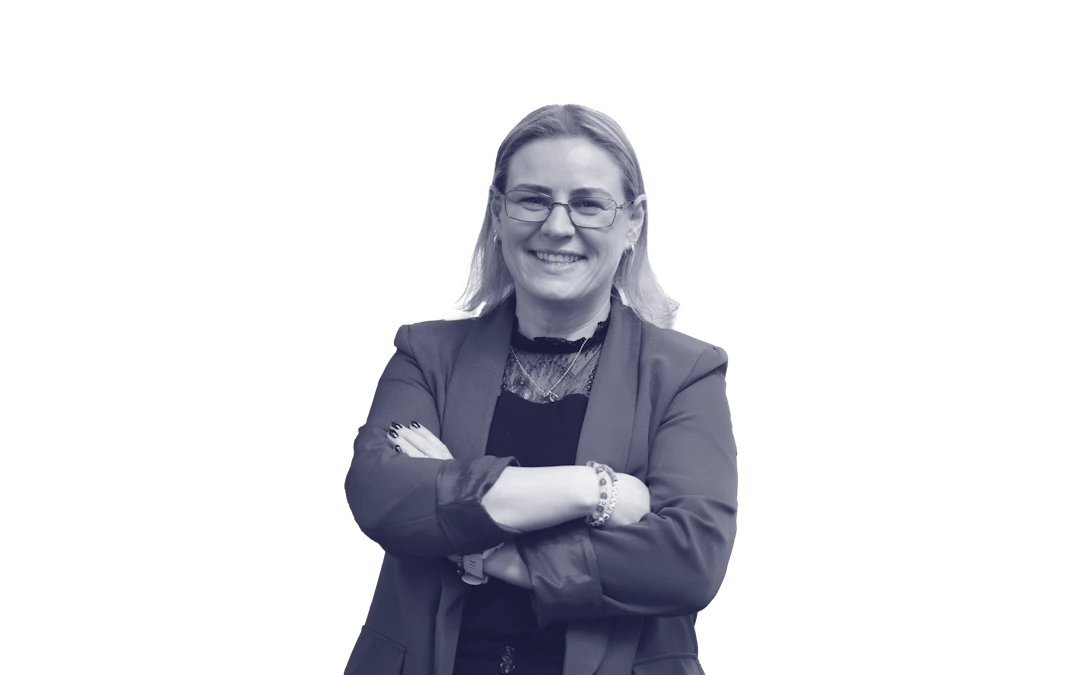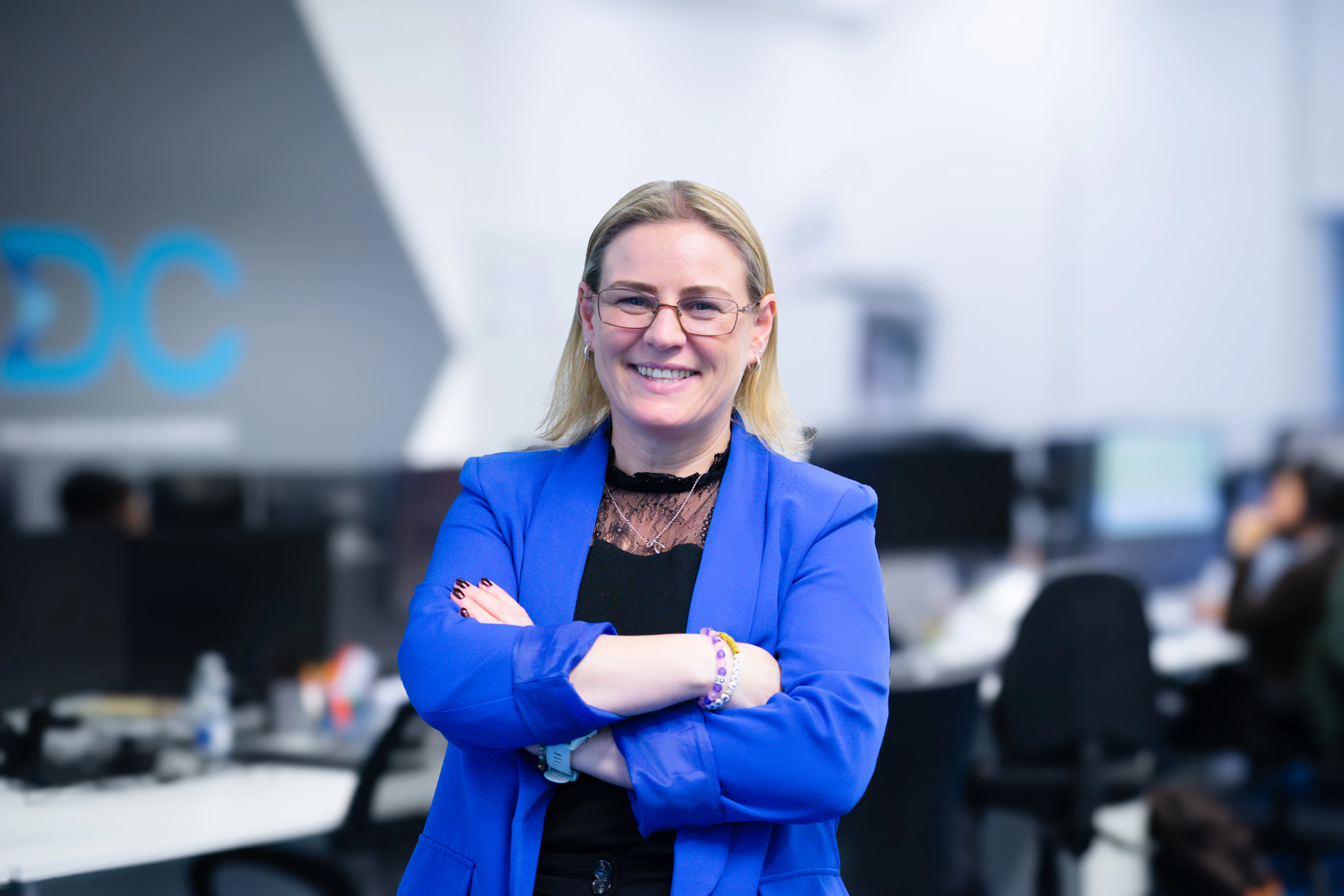
We recently asked Michelle Kelly, Associate Director at EDC, to reflect on her own career and the moments that showed her she was truly progressing as a Design Engineer.
Having gone through that journey herself, Michelle shares the 7 key signs of progression and development she’s experienced along the way. From how she approaches engineering and problem-solving to how she takes ownership of projects and supports those around her.
Looking back on my own career, the biggest signs of progression as a design engineer have not been tied to job titles or years of experience, but to how my approach to engineering, problem-solving and project delivery has evolved, and the people that have helped me grow along the way.
Early in my career, I focused on learning standards, processes and established design approaches. Over time, I have gained a stronger understanding of the principles behind mechanical systems, helping me make more informed decisions and adapt solutions to meet the needs of each project.
As my experience has grown, so has my ability to manage projects through different design stages, coordinate with stakeholders and contribute to successful project outcomes. This has given me confidence to take greater responsibility while continuing to value collaboration and input from others.
One of the clearest signs of growth for me, has been the ability to foresee potential challenges during the design stage. Whether it is coordination with other disciplines, plant access, maintenance requirements or constructability concerns, I now focus on resolving problems before they impact delivery. On several projects, early design reviews helped identify plantroom access constraints, service clashes and maintenance challenges that could have resulted in costly redesigns during construction.
With experience comes a better understanding of why decisions are made. I have become more confident discussing technical options, explaining design solutions and working with clients, architects, contractors and colleagues to achieve the best outcome
While my focus is mechanical engineering, I have learned the importance of considering the wider project context, including sustainability, cost, programme, operational requirements and coordination with other disciplines.
Experience has taught me that successful design is not about complexity. I now place a greater emphasis on simplicity, installation, commissioning, maintainability and long-term operation, delivering solutions that work effectively in the real world. I have often found that the best outcome comes from simplifying distribution routes, rationalising plant selections and designing systems that contractors can install efficiently and operators can maintain safely.
As I've progressed, my role has evolved beyond producing calculations and drawings. I support project delivery, mentor junior engineers, coordinate multidisciplinary teams and help drive technical consistency and quality across projects. One of the most rewarding aspects of my career has been seeing junior engineers develop their confidence and technical ability through guidance, project exposure and constructive feedback.
A particularly important 8th sign is recognising when I don't know something. A developing engineer doesn't guess. They know when something needs further calculation, specialist input, manufacturer confirmation or senior review. I believe the strongest solutions are often developed through collaboration and continuous learning.
Michelle Kelly is Associate Director in EDC's Dublin office, where she plays a key role in the strategic growth and development of the business.
Since joining EDC, Michelle has been instrumental in expanding the office's capabilities, fostering long-term client relationships and delivering high-quality engineering and sustainability solutions across a diverse range of projects. She is recognised for building high-performing multidisciplinary teams and creating a culture centred on collaboration, technical excellence and exceptional client service.
As Associate Director, Michelle continues to support the strategic direction of EDC's Dublin operations while contributing to the company's wider growth ambitions across Ireland and the UK. Her focus on developing people, strengthening client partnerships and delivering practical, commercially focused engineering solutions makes her a valued leader within the business.