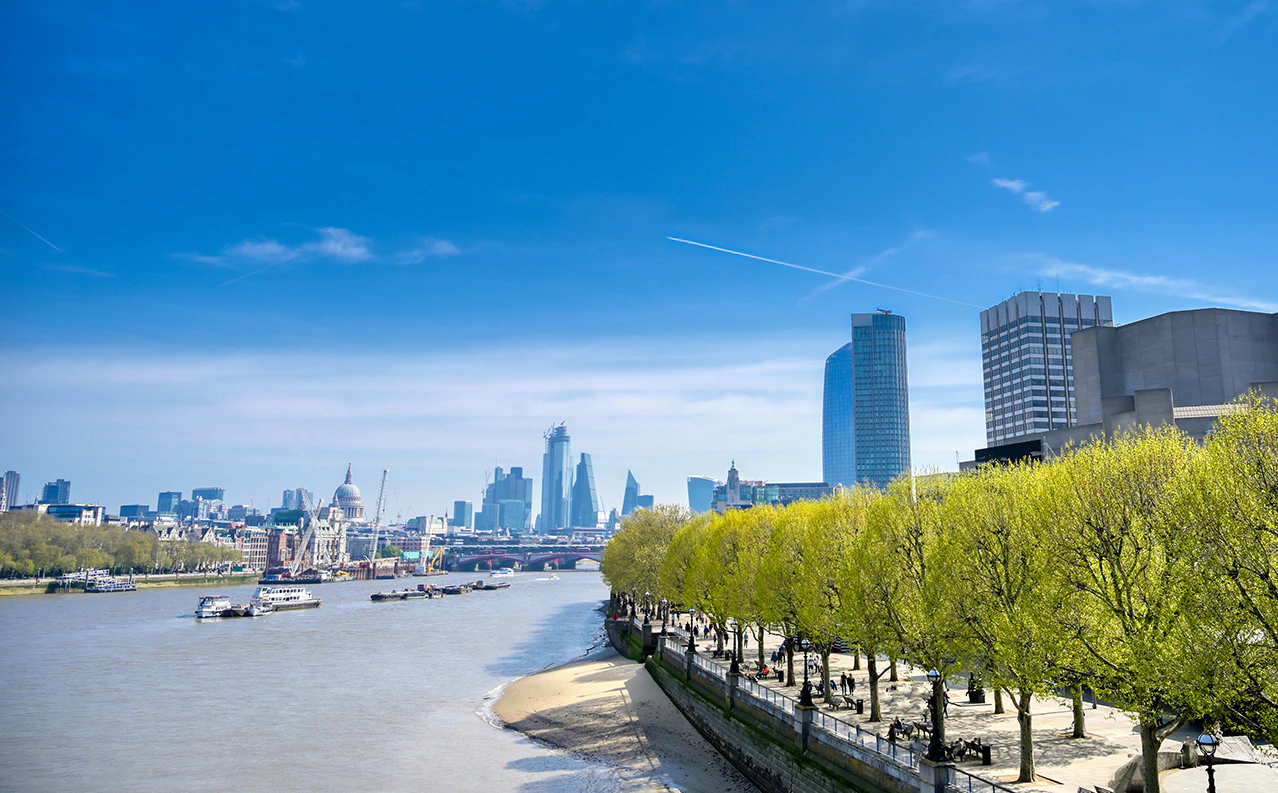
The intense heatwave alerts issued across London this month (May 2026) with temperatures pushing toward unseasonable highs of 33°C, serve as a stark reminder of our changing climate. As the UK experiences more frequent and prolonged extreme heat, the conversation around the capital’s built environment is shifting rapidly. For decades, the primary goal of UK building design was retaining heat. Today, the challenge is optimising designs to address this primary aim, whilst also keeping heat out in summer
Modern London apartments, which are often heavily insulated and airtight to meet strict winter energy efficiency targets, can inadvertently act as thermal traps. If we are to create comfortable, resilient homes, prioritizing passive design measures in new builds is no longer just best practice, it is a necessity.
High-density urban living presents unique thermal challenges. Apartments (particularly top-floor flats and those with south or west-facing glazing) are highly susceptible to summertime overheating. Because these modern units are air-tight to prevent winter heat loss, any heat generated internally or gained from the sun becomes locked inside.
Furthermore, research indicates that bedrooms are often at a higher risk of overheating than living rooms, which can severely impact nighttime comfort, sleep quality, and overall health. When buildings cannot shed heat overnight, the compounding effect during a multi-day heatwave can quickly render apartments unlivable.
Before turning to energy intensive mechanical cooling (air conditioning), new residential builds must leverage passive design measures to mitigate thermal risks. Passive design works with the local climate to maintain comfortable internal temperatures without relying on active systems.
Key passive strategies include:
To combat the growing risk of hot homes, Building Regulations Part O now mandates overheating mitigation strategies for new residential buildings. For complex apartment buildings, a simplified Part O assessment is rarely sufficient. Instead, designers rely on CIBSE TM52, a dynamic thermal modelling methodology that evaluates the risk of overheating based on adaptive thermal comfort. Meaning it accounts for how human comfort thresholds change as the outdoor climate warms. This methodology is due an update summer 2026, which is eagerly anticipated by regulators and designers alike.
This is where EDC comes in. At EDC, our engineers use advanced dynamic simulation software to thoroughly assess new-build designs against both Part O building regulations and TM52 criteria. We don't just tick boxes for compliance; we collaborate with architectural teams early in the design phase to integrate passive measures seamlessly. By modelling different glazing specifications, shading depths, and ventilation strategies, we ensure the building passes regulatory requirements without compromising its aesthetic or functional goals.

A building designed only for today’s weather will likely fail tomorrow. The temperatures experienced during the current London heatwave are projected to become the "new normal" in the coming decades.
EDC goes beyond standard compliance by reviewing building designs against future weather scenarios (e.g., UKCP18 projections for the 2050s and 2080s). By stress-testing the thermal performance of an apartment block against these hotter, more intense future climates, we can advise developers on how to "future-proof" their assets. This proactive approach prevents the need for costly retrofits down the line and ensures the building remains a safe, comfortable environment throughout its entire lifecycle.
Even the most well-designed, Part O-compliant apartment relies on the people living in it. Passive design provides the tools, but practical operation dictates the results. During extreme heatwaves, occupants should be educated on how to actively manage their indoor environment:
Ultimately, tackling overheating in London’s apartments requires a dual approach: robust, forward-looking engineering at the design stage, paired with smart, practical operation by the end-user.
Carl Cappuccini leads our Energy & Sustainability team with a career rooted in building performance, energy strategy, and a passion for impactful design. Beginning his journey through a surveying apprenticeship, Carl quickly found his focus in energy auditing and performance modelling, laying the groundwork for a career defined by technical expertise and real-world results.
With experience spanning both large firms and specialist consultancies, Carl has grown from a hands-on energy assessor to a strategic leader, guiding teams and shaping energy design strategies across everything from single residential units to full portfolio decarbonisation programmes.
At the core of Carl’s approach is a drive to deliver tangible outcomes. He excels in helping clients design smarter, more efficient buildings that go beyond compliance and in supporting asset managers with clear, cost-effective decarbonisation pathways. Known for his collaborative mindset and ability to translate complex technical insights into actionable plans, Carl is committed to building a more sustainable future through innovation, data, and design.