
Ireland needs 3,000 student beds just to stand still. Yet fewer than that are currently under construction The issue isn’t planning. It’s delivery and that’s where MEP strategy is often underestimated.
Ireland has roughly 47,000 purpose-built student accommodation (PBSA) beds serving a demand pool of over 215,600 full-time students. According to the Cushman & Wakefield Ireland Student Accommodation Review 2025, the supply-demand gap in Dublin alone stands at approximately 34,300 beds with Cork and Galway trailing behind at 4,100 and 10,800 respectively.
Supply growth in 2025? Less than 1%.
For developers, architects, and universities with sites in the pipeline, that gap represents both urgency and opportunity. But closing it requires getting the fundamentals right from day one. That means engaging an experienced MEP consultant far earlier than most project teams currently do.

The same Cushman & Wakefield report highlights a growing imbalance in the Irish PBSA market. Maintaining current student-to-bed ratios will require approximately 3,000 new beds across Dublin, Cork, and Galway over the next five years. At present, only around 2,400 beds are under construction.
On paper, the pipeline looks stronger. Planning permission has been granted for roughly 10,700 beds. But with permissions for nearly 1,300 of those due to expire in 2026, the gap between approval and delivery is becoming more pronounced. Permission doesn’t equal delivery and the sector knows it.
One of the reasons sits below the surface of many schemes.
On PBSA developments, one of the most common issues we see is electrical capacity and plant space being locked in too late. What starts as a compliant planning-stage design often unravels at technical design stage, forcing avoidable redesign between planning and tender. The impact is immediate. Programme delays, cost pressure, and in many cases, a direct hit to lettable area.
This is where the real challenge lies.
The question for everyone involved in PBSA development right now isn’t just how many beds are needed. It’s what it actually takes to get a scheme from planning to construction, without losing time, value, or certainty along the way.
Student accommodation isn't a standard residential project. It operates 24/7 with high domestic hot water demand, communal ventilation requirements, and increasingly stringent NZEB compliance obligations. The new Government Design Guide for State Sponsored Student Accommodation, published in June 2025 and now influencing private sector schemes too, introduces shared bathrooms, communal kitchens, and twin room typologies. Each of these changes the MEP strategy required.
Get the M&E engineering wrong at concept stage and you'll pay for it in three ways:
The impact of delayed plant room delivery can push project completion by 2–6 weeks.
On a typical 400-bed PBSA scheme, a one-month delay can equate to €300,000–€500,000 in lost rental income, before additional financing and contractor costs are considered (300–500 beds @ €200–€300 per week per bed)
A fully integrated BMS and sub-metering strategy can typically deliver 10–15% improvements in energy consumption which are achieved through improved visibility, early fault detection, and ongoing optimisation of building systems.
Engaging a specialist MEP consultant at RIBA Stage 1 or 2, before planning is lodged, fundamentally changes how risk is managed across the project.
For architects, this means a more collaborative process where building services inform, rather than fight against the architectural concept. For developers, it means fewer surprises between planning and tender. For universities commissioning new student villages, it means buildings that perform as specified from day one.
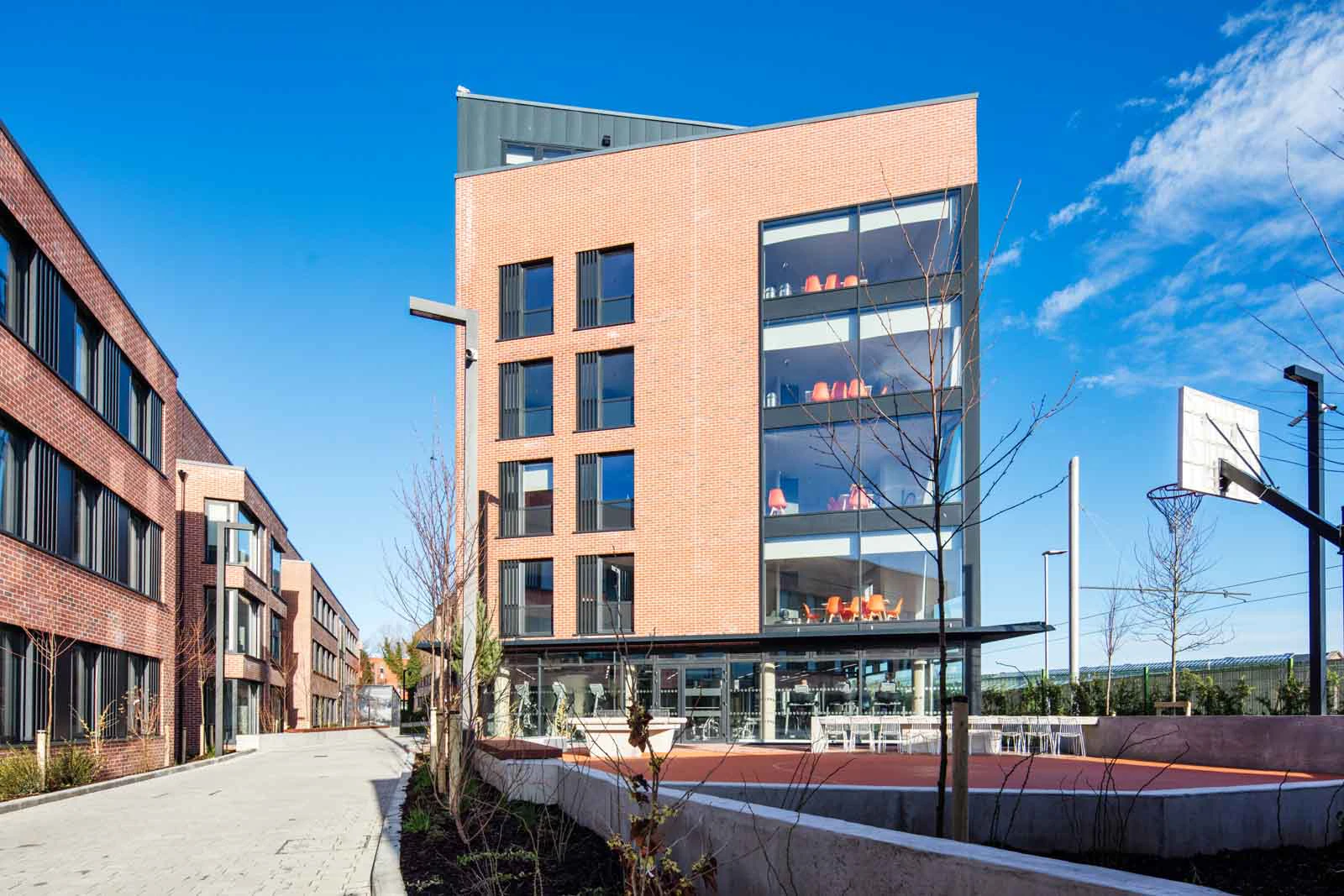
Investor appetite for Irish PBSA is strong. The sector saw €183 million transacted in 2025 — above the ten-year average and Ireland ranks among the most attractive European destinations for living sector capital. The policy environment, with revised VAT treatment, updated design standards, and the Residential Tenancies Bill 2026, is the most coherent it has been in years.
The demand is growing too. Dublin's PBSA demand pool is forecast to reach approximately 64,000 by 2036 (up from around 54,000 today). Cork and Galway are each projected to see close to 10% demand growth over the same period.
The projects that will get built, and built well, are the ones where developers and design teams front-load the technical work. That means commissioning an MEP consultant who understands PBSA at the earliest opportunity, not after the architectural concept is locked and the planning clock is ticking. If you’re progressing a PBSA scheme, the critical decisions on utilities, plant space and energy strategy are being made earlier than most teams expect. Getting them wrong is what delays delivery and erodes value.
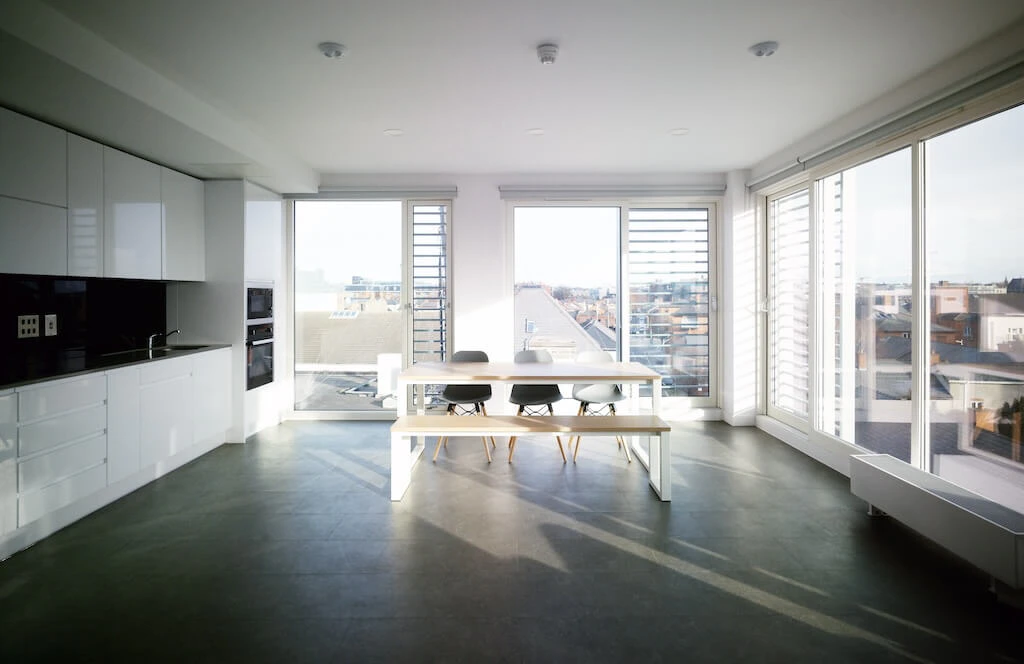
Thinking about a PBSA project in Ireland? Student accommodation developments require innovative, resilient, and cost-effective engineering solutions that balance energy efficiency, comfort, and long-term sustainability. At EDC, we provide tailored MEP, BIM, and sustainability-driven designs that meet the evolving needs of private developers, student housing providers and universities.
👉 Book a 15-minute call with our team to sense-check your scheme and identify early-stage risks before they impact delivery - (021) 428 0476
Visit a selection of our PBSA Portfolio here: https://www.edcengineers.com/sectors/sectors-student-accommodation
Or reach our for PBSA Portfolio & Capabilities: https://www.edcengineers.com/contact
References: https://www.cushmanwakefield.com/en/ireland/insights/student-accommodation-review
With over 10 years of experience in mechanical engineering across various sectors including commercial, residential, and hospitality, Gerard brings invaluable expertise and leadership to our projects. His skills in design, specification, and project management have made significant contributions to our progressive engineering goals.
Since the opening of our Galway office in 2022, Gerard has been pivotal in expanding our reach in the West and Northwest regions of Ireland. His strong interpersonal and communication skills have been essential for successfully coordinating and managing multi-disciplinary projects.