
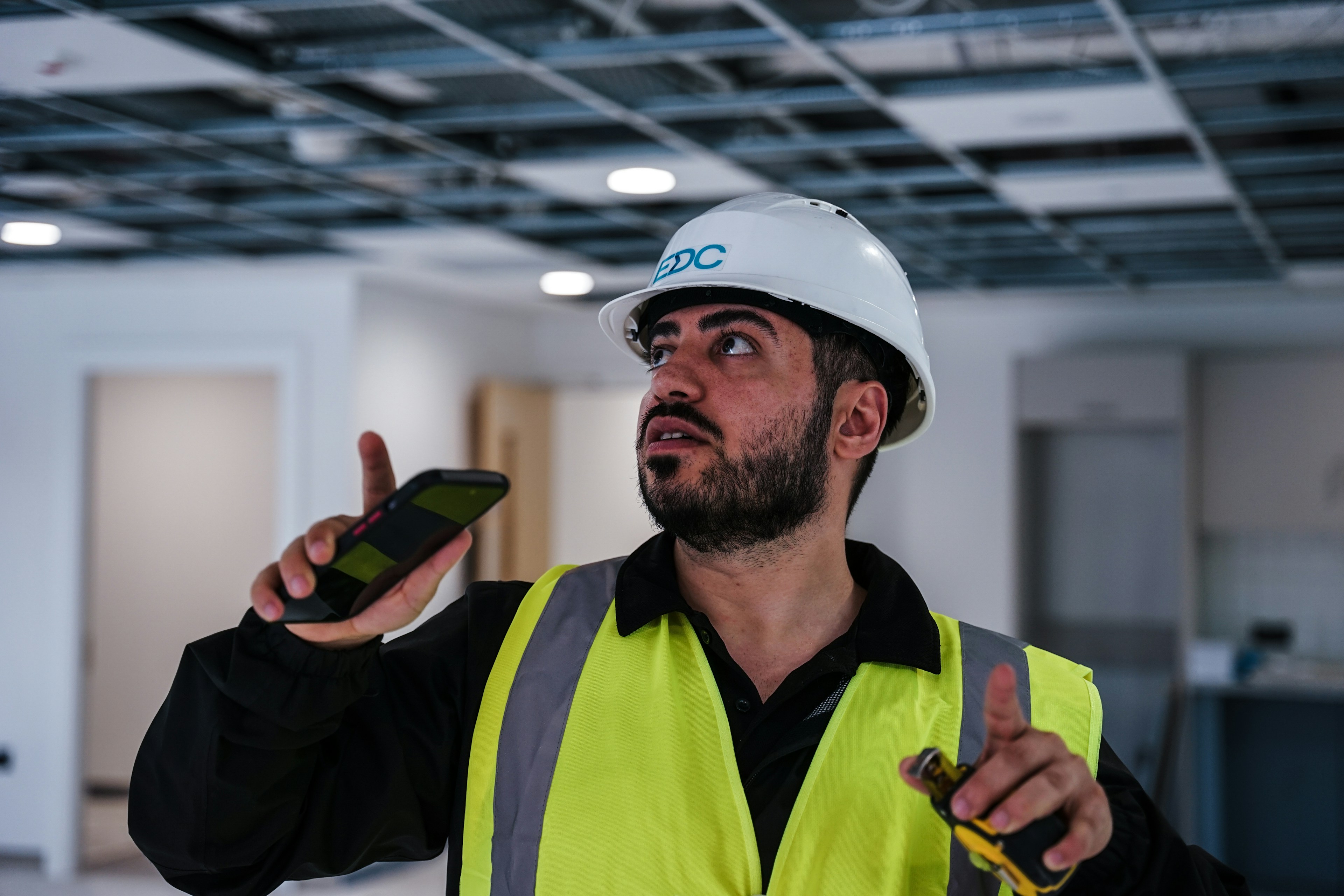
In today’s fast-paced construction environment, achieving excellence isn’t solely about great design but also how that design is delivered on site. At EDC, we understand that true quality emerges when ideas meet reality. Our focus on on-site quality and collaboration is what truly sets us apart, ensuring that every project we design is also built to perform, efficiently, safely, and sustainably.
A strong on-site presence is essential. It’s where design assumptions meet reality. When engineers stay engaged on site from early stages, they’re able to verify that design intent translates properly into what’s built. It’s the best way to close the gap between modelling and delivery.
On-site involvement allows engineers to spot coordination issues before they grow into costly delays. It also gives the team confidence that systems are being installed as intended. Being present early and often helps engineers make informed, real-time decisions that prevent rework and keep progress steady.
Quality delivery is rarely about one party working alone. The best outcomes come from collaboration, sitting down with contractors, walking the site together, and solving problems face to face. Email threads can’t replace a five-minute conversation on site.
Rather than simply issuing reports and leaving, engineers should take time to talk through findings and agree on practical solutions. Organising short on-site workshops or coordination walks can resolve technical issues faster than any meeting invite.
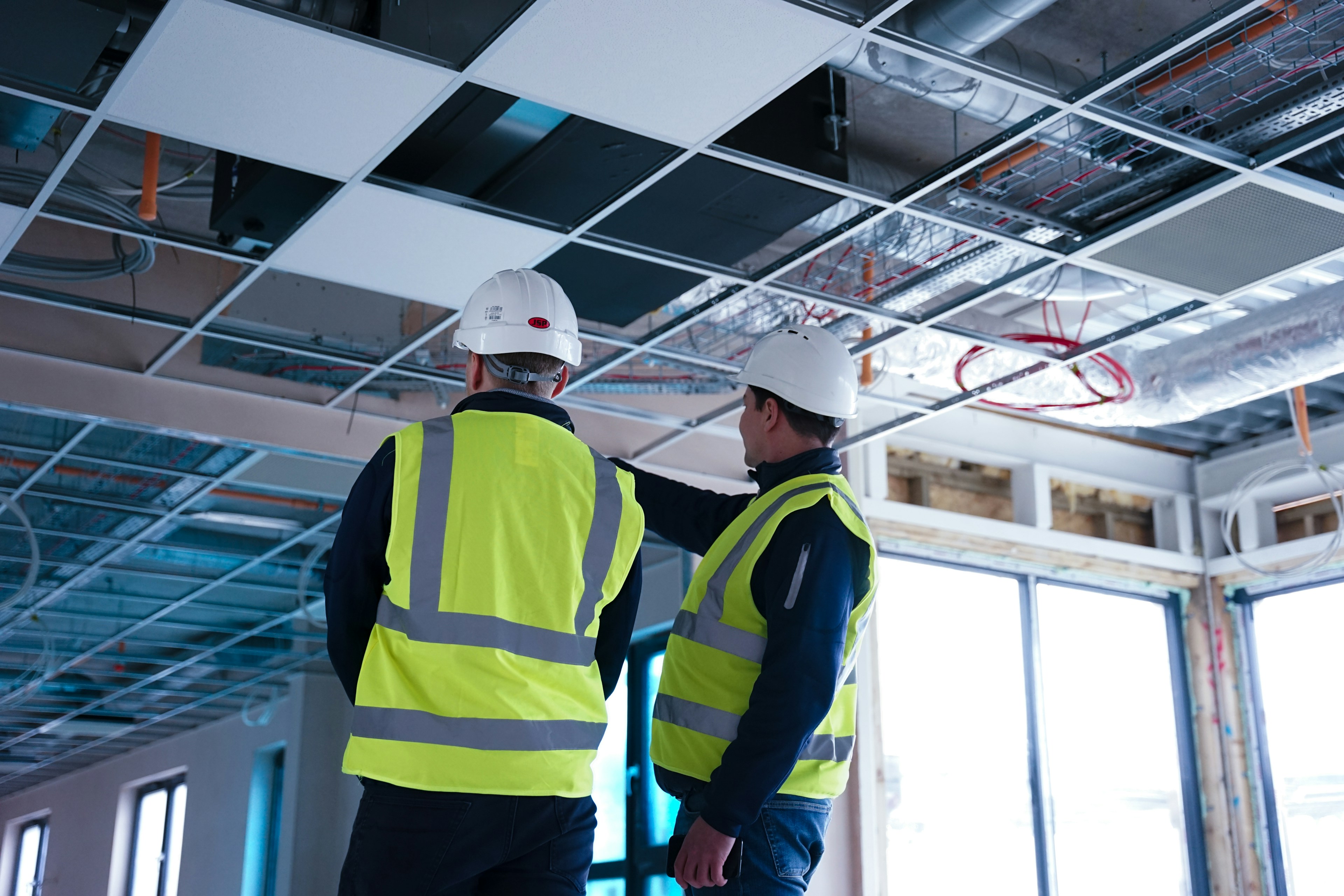
Good site engineering is proactive. It’s about looking ahead and asking: What could go wrong next week? It means understanding how drawings are being interpreted on site, checking critical details, and supporting the people building the work.
By embedding themselves within the project team, engineers can make informed judgments and help contractors navigate technical or spatial challenges. This hands-on approach keeps projects moving smoothly and strengthens relationships across the team.
Digital tools now make it easier to track issues, monitor quality, and connect site findings back to design models. Every issue raised can be logged, prioritised, and tracked through to resolution. This record not only supports compliance but becomes a valuable reference for future projects.
Recording lessons learned, what worked well and what didn’t is equally important. Each project should improve the next. Over time, this builds an internal knowledge base that strengthens both design and delivery standards.
Did you know, EDC encourages each of our clients to participate in a post-project Lessons Learned workshop. This structured review brings together the client and our team to reflect on what worked well, what could be improved, and how those insights can be carried forward.
Having engineers from different backgrounds and project types is a major advantage. Someone who has worked across residential, commercial, and educational sectors can bring different perspectives to complex site problems. This mix of experience helps teams adapt quickly and support contractors who may be less familiar with certain building types or systems.
Ultimately, achieving quality on the ground is not about one engineer or one team. It’s about creating an environment where everyone; designers, contractors, and clients works toward the same outcome. Open communication, mutual respect, and a willingness to collaborate are what make that possible.
The engineers who deliver the best results are those who stay curious, stay involved, and stay accountable for what happens on site.