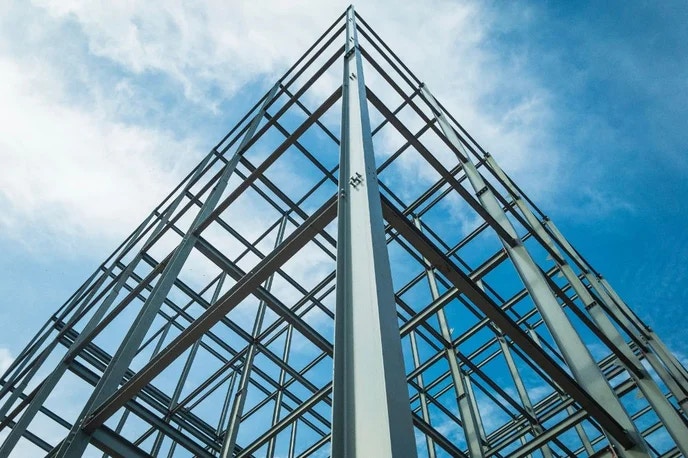
In modern façades built with steel framing systems (SFS), the insulation between studs often performs well in theory but the junctions between components can quietly undo that efficiency. Junctions at slab edges, window reveals, roof lines, and corners create small areas where heat flows more easily. These weak spots are known as thermal bridges, and their effect is measured by the Psi value.
A high Psi value means more heat loss, colder surfaces, and greater risk of condensation and mould. In short, even if your wall U-value looks impressive on paper, poor junction detailing can drag your whole façade’s performance down.
For developers, lower Psi values translate directly into:
The investment is small, mostly about smarter detailing and coordination but the payoff is long-term performance and reduced callbacks.
Architects set the tone for thermal performance long before any insulation is installed. Early-stage choices about wall alignment, fixing methods, and insulation continuity make the biggest difference. To reduce Psi values, consider these design strategies:
1. Keep the Insulation Line Continuous
Where walls meet floors, roofs, and window frames, aim for unbroken insulation. Align insulation layers from one element to the next rather than stepping them back behind structure.
2. Minimise Metal-to-Metal Paths
Steel is an excellent conductor of heat. Use thermally broken brackets, rails, or clips wherever structure or cladding support crosses the insulation layer.
3. Rethink the Slab Edge
This is one of the most common problem zones. By wrapping insulation around the slab or using a structural thermal break plate between the slab and façade, you can sharply cut heat loss at this junction.
4. Set Windows Within the Insulation Layer
Bringing window frames forward so they sit “in line” with the wall insulation, rather than recessed behind it, dramatically reduces cold bridging around openings.
5. Coordinate Structure and Services
Penetrations for fixings, balconies, or M&E routes can undo good detailing. Work closely with the structural and services teams to ensure every penetration is thermally considered and sealed.
6. Use Proven, Tested Details
Don’t reinvent the wheel. There are many published junction details with verified thermal-bridge performance. Adopting tested systems saves design time and reduces risk.
7. Check Your Detailing at 3D Stage
A 2D section may look perfect, but a 3D junction model often reveals hidden gaps in insulation continuity. Collaborative design reviews catch issues early, before fabrication begins.
Reducing Psi values isn’t just a façade engineer’s job. It’s a team effort. The best results come from architects, engineers, and suppliers working together from the concept stage. When everyone understands the insulation line and how it continues through the building envelope, Psi values naturally fall.
Luckily, you’re not on your own. Our specialists work closely with design and construction teams to identify thermal bridging risks early, reduce unnecessary heat loss, and ensure compliance with the latest regulatory standards.
We support our clients by providing expert consultancy in several key areas, including:
Additional areas where we commonly support include:
By partnering with EDC, you gain a proactive, experienced team focused on delivering efficient, low-carbon, and cost-effective buildings through better Psi value optimisation.
In SFS façades, the small details at junctions can make or break thermal performance. By planning insulation continuity, breaking metal connections, and using verified details, developers and architects can achieve façades that perform as well in reality as they do on paper.
Carl Cappuccini leads our Energy & Sustainability team with a career rooted in building performance, energy strategy, and a passion for impactful design. Beginning his journey through a surveying apprenticeship, Carl quickly found his focus in energy auditing and performance modelling, laying the groundwork for a career defined by technical expertise and real-world results.
With experience spanning both large firms and specialist consultancies, Carl has grown from a hands-on energy assessor to a strategic leader, guiding teams and shaping energy design strategies across everything from single residential units to full portfolio decarbonisation programmes.
At the core of Carl’s approach is a drive to deliver tangible outcomes. He excels in helping clients design smarter, more efficient buildings that go beyond compliance and in supporting asset managers with clear, cost-effective decarbonisation pathways. Known for his collaborative mindset and ability to translate complex technical insights into actionable plans, Carl is committed to building a more sustainable future through innovation, data, and design.