I first came across EDC as a placement student in my third year of university and spent six months in the London office. From day one, I was properly stuck into real work, not just observing from the sidelines. I got a feel for the technical side of things, but more importantly, I saw how the team operated. There was a lot of trust, a lot of responsibility, and no micromanaging. It didn’t take long for me to think, yeah, this is somewhere I could see myself.
When I went back to university to finish my degree, I already knew I wanted to return. I joined EDC again as a graduate and, over the last decade or so, I’ve worked my way through the business step by step. I’ve gone from graduate to junior, intermediate, senior, associate director, and now I lead the Mechanical & Public Health team in our London office. None of that was handed to me. It came from being pushed out of my comfort zone, learning on the job, and being trusted to take responsibility early on.
One of the biggest reasons I’ve stayed at EDC is the people and the culture. There’s a genuine belief here in letting people own their work and back themselves. If you show that you’re capable and willing to put the effort in, you’re given the space to grow. That trust has grown with me over the years and has opened the door to bigger roles, more complex projects, and leadership opportunities I probably wouldn’t have expected so early in my career.
EDC has also been hugely supportive of my development along the way. They backed me through my master’s degree, supported me through chartership, and invested time in helping me develop as both an engineer and a leader. Looking back, I never imagined I’d be leading teams or working on projects of this scale at this stage of my career, but that’s very much down to the opportunities and support I’ve had here.
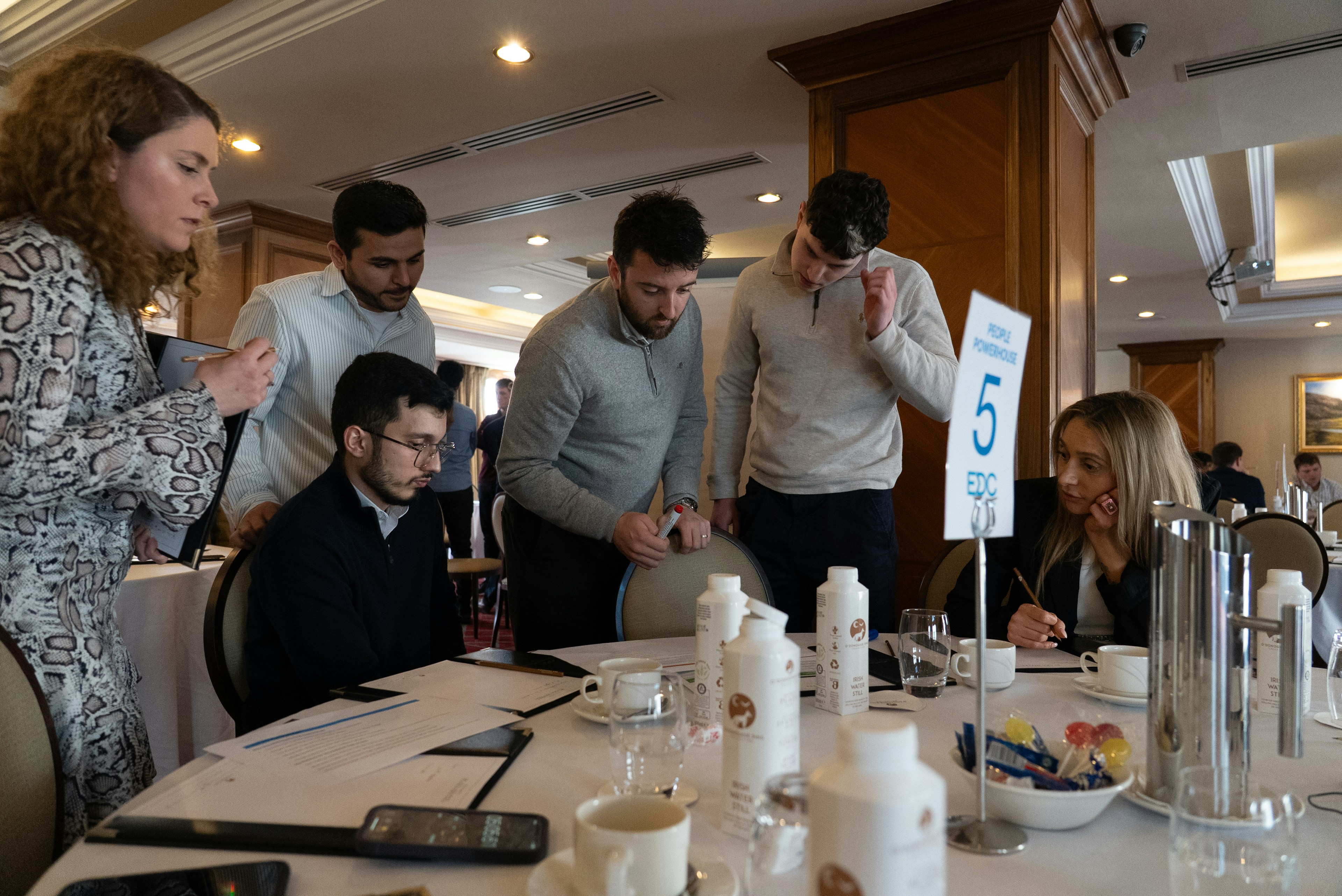
One of the best parts of my time at EDC has been the variety of projects I’ve had the chance to work on, particularly across London. I’ve been involved in some genuinely challenging schemes, including Equipment Works, New Acres, and Holborn Viaduct, all of which came with their own complexities, tight sites, and ambitious programmes.
What really stood out on these projects was the level of collaboration. Working closely with clients, architects, and contractors meant you weren’t just designing in isolation, you were problem-solving in real time and finding practical solutions that actually worked on site. Those experiences pushed me technically and professionally and played a big role in shaping how I approach projects today. It’s that mix of challenge, teamwork, and seeing ideas come to life that keeps the work interesting and makes it genuinely rewarding.
Quality has always mattered to me, and that’s something EDC genuinely stands over. It’s never been about producing drawings and moving on. We get properly involved, working through the detail with clients to make sure what’s being designed can actually be built, works on site, and performs the way it’s meant to. That often means questioning assumptions, having honest conversations, and taking a bit more time to get things right, even when it would be easier to take shortcuts.
My own leadership style has changed a lot during my time here. I started out looking for clear direction and guidance, and over time I’ve grown into a role where I’m setting that direction for others. Now I’m leading a capable, independent team who take real ownership of their work. EDC puts a strong focus on developing people, not just as engineers, but in how they communicate, manage projects, and support those around them. Seeing people grow in confidence and produce really high-quality work as a result is one of the most rewarding parts of the job.
Work–life balance is also taken seriously, which makes a huge difference. Resourcing is planned properly, workloads are kept in check, and when things get busy, people are moved between projects rather than being pushed too far. There’s genuine flexibility around working hours, life balance days, and wellbeing support, and it’s something you actually experience day to day, not just something written in a policy document.
What might surprise people most is just how much support is available. Nobody is expected to have everything figured out. Training, mentoring, and regular development conversations are part of the norm here, not a tick-the-box exercise. The business genuinely wants people to do well, and that support makes a massive difference to how confident and capable teams become over time.
Josh is a highly accomplished professional with a background in Mechanical, Public Health, and Energy Engineering. His career began as a work placement student with EDC and has seen a steady growth in his abilities and leadership leading to his current role of Associate Director. With a Masters in Sustainable Energy Engineering, he not only possesses a strong understanding of theoretical concepts but has consistently demonstrated his ability to translate knowledge into impactful solutions.
As a Chartered Energy Engineer, Josh is unwavering in his commitment to upholding the highest professional standards. This credential not only underscores his dedication to excellence but also attests to the depth of his technical proficiency in the field.
Throughout his career, Josh has successfully delivered a diverse array of projects across the residential, commercial, hotel, leisure, and student accommodation sectors. His involvement in projects spans from the initial conception phase, through technical execution, to the final handover.
Driven by a passion for sustainability, Josh is dedicated to steering projects towards eco-friendly solutions. His work is a testament to the belief that sustainable energy engineering is not just a profession but a responsibility towards a greener future. His commitment remains unwavering — to contribute to a more sustainable and energy-efficient future through innovative engineering solutions.